


Recent posts
Hyland, M., 2024. Leaving Las Vegas - directed by Mike Figgis, based on the novel by John O'Brien. Reformulation, Winter, p.24-25.
A Review by Mark Hyland.
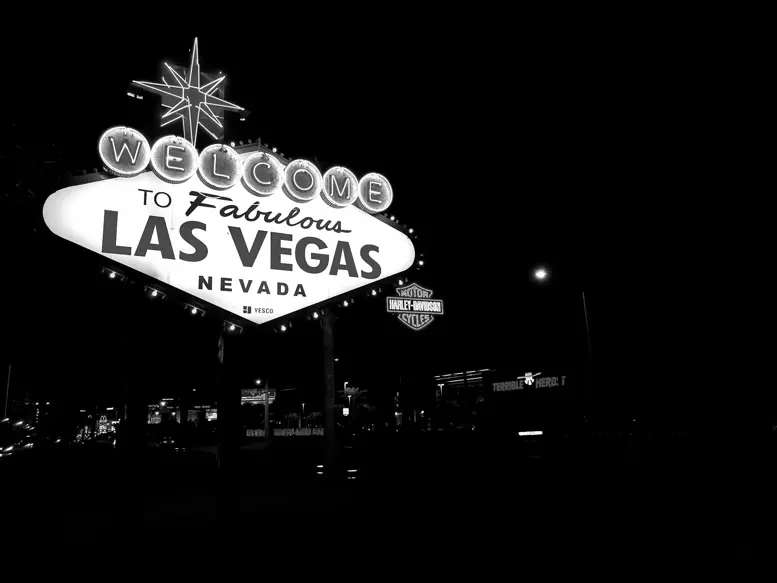
Like its soundtrack, Leaving Las Vegas is a dark smoky jazz poem of a movie. It prefers the night, where it stalks and inhabits, skipping the day like its vampiric, alcoholic protagonist Ben Sanderson (Nicholas Cage). This is a “feel” movie, or more accurately a “feel bad” movie. It stretches credulity at times in scenes, teeters on cliché, but it is driven by such conviction from its lead actors Cage and Elizabeth Shue - Cage grabbed Oscar glory with his rancid Elvis gone-to-seed performance. Yet ironically it is restrained, which seems implausible considering the utter nihilism of narrative arc he inhabits. He plays the alcoholic Ben, who can’t remember whether he started drinking because his wife left him or if she left him because of his drinking. The humour in this movie, much like everything else, is dirty and crumpled like a dollar bill on the bar floor – you have got to look hard to find it. More obviously it is excruciating viewing - Ben apologises to his barman, “I appreciate your concern; it’s not my intention to make you feel uncomfortable”- the audience winces empathically.
Figgis makes great decisions and lets the scenes do the work, his own music score so powerful in the opening, as Ben slugs a bottle of vodka whilst driving, watching a traffic cop watch him. The scene is silent, but for the screaming jazz score, its sustained notes pummelling the audience with Cage’s horror and inexorable pain, hinting already there is no escape in this movie (oppressive/harming – oppressed/trapped). Fired from his screenwriting work he relocates to Vegas; the plan, to drink himself to death (obliterating – annihilated).
Here he quickly meets Shue’s character Sera, a neat scene where they introduce and see one another as Ben and Sera, rather than merely a sex worker and an alcoholic. Both actors purposely have been given koan’s of character outlines so thin and enigmatic, it works because we project onto them. We scramble to wonder what lives they lead that brought them here, why do they need each other despite being so desperately wounded, mortally wounded in his case. In retrospect, Shue’s performance is the greater - it’s masterful - she oozes liquid hurt as strong as the liqueur Cage constantly imbibes. She is heartbreakingly saddened, trapped in her life. Shue even convinces us (just about) that there is enough humanity left in Ben for her to rescue him and for him perhaps to reciprocate (Enmeshing/dependent – enmeshed/dependent). There is a stunning audacity in a movie that asks so much of the audience, to accept this condensed apocalyptic love story playing out across mere days but suggesting a possible lifetime connection of two souls. Figgis wonderfully crosses the wires of romance and realism, the gritty with the fantastical, he goads you to snort derisively at the preposterousness of the plot. We stay loyal as viewers, as just enough rings true - the emotion is pure; it believes - so we too, believe.
Nothing is wasted in this movie, made on a shoestring. Figgis provides the jazz backdrop, highly effective in framing the melancholic madness, it also seduces the audience to the dark romantic impressionism, post-beatnik blues. Vegas obliges with its lurid neon backdrop, skin-itching motels and the always-night feel; in the night we can dream, and this is dream-like personification. Julian Sands pops up in the slightly jarring role of Sera’s pimp; this plotline feels contrived, but we recognise the need to breathe narratively, taking some space away from the fusion of Sera and Ben. Made in 1995, its passport says born in the seventies. It wants to be Scorsese, its surface textures all Meanstreets and Taxi Driver, its view of humanity similarly jaundiced. But it also teases you with hope, the awful suggestion that they might just make it - Ben might at one point reverse the metal cap twist of the bottle and quit drinking.
In terms of addiction, I think it speaks a great truth. The briefest moments of happiness and decent behaviour, which are clung onto by these doomed protagonists, these instances see-saw against the more frequent depraved and brutal acts, repeated against self and other. “You can never ask me to stop drinking, do you understand? … I do, I do” and with that, they seem to exchange morbid wedding vows. The damage and capacity to damage are never far from the surface (Brutalising – brutalised/ degraded) a heart-breaking moment during dinner when a jealous drunken Ben degrades Sera about her impending night of sex work, whispering something appalling into her ear, following a touching moment of having given her a gift (special/ adoring – special/ adored). Indeed, degradation repeats like a record throughout - Sera heartbreakingly pours tequila all over herself in a moment of erotic revery with Ben; everyone compromised. Sera seeks intimacy with him so much so that she soaks herself in alcohol – love, sex and addiction are fused together.
Again, the human complexity is impressive - the twists and turns, the smiles and snarls of human-to-human behaviour not shied away from. You never give up on either character, like a loved one trapped in endless torture, you watch to the bitter end, and you hope to the bitter end. The final frame, Ben’s face frozen in death, entwined with Sera - a grimace or a smile, like the frozen final frame of Butch Cassidy and the Sundance Kid. It feels as though they have both died, and yet remains immortalised together, enraptured.